
What makes Claude Fable 5 feel important is not only that it looks stronger. It feels more like a system that can actually push work forward.
That is why it spread so quickly on day one. People were reacting to four things at once:
it feels more alive in conversation
it produces stronger results in coding, websites, interfaces, games, and 3D-style tasks
it behaves more like a collaborator than a simple answer engine
it also makes the cost problem impossible to ignore
So the clearest summary is this:
Claude Fable 5 feels less like just another stronger model and more like a deeper step into execution-style AI workflows, even if the price still makes large-scale use uncomfortable.
Why it spread so fast on day one
The tests that made it spread were not boring benchmark prompts. They were the kinds of tasks that create immediate human reaction:
does it sound more alive
does the interface feel more complete
does the output look more product-like
can it keep a longer coding task moving
That matters because people do not need a chart to notice whether something looks more usable.
Strong signal one: it sounds better, not just smarter
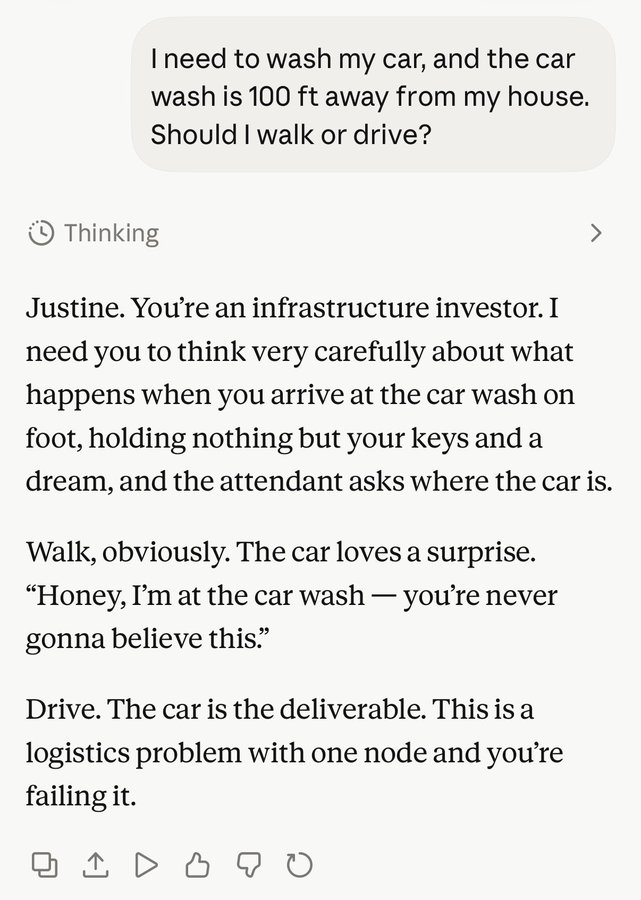
The “car wash 100 feet away” example became memorable because it was not really testing knowledge. It was testing tone and reasoning landing quality.
Claude Fable 5 did not simply answer. It played with the setup first, then returned to the actual logic. That is the kind of interaction that makes a model feel less mechanical and more collaborative.
Strong signal two: interfaces feel more like products
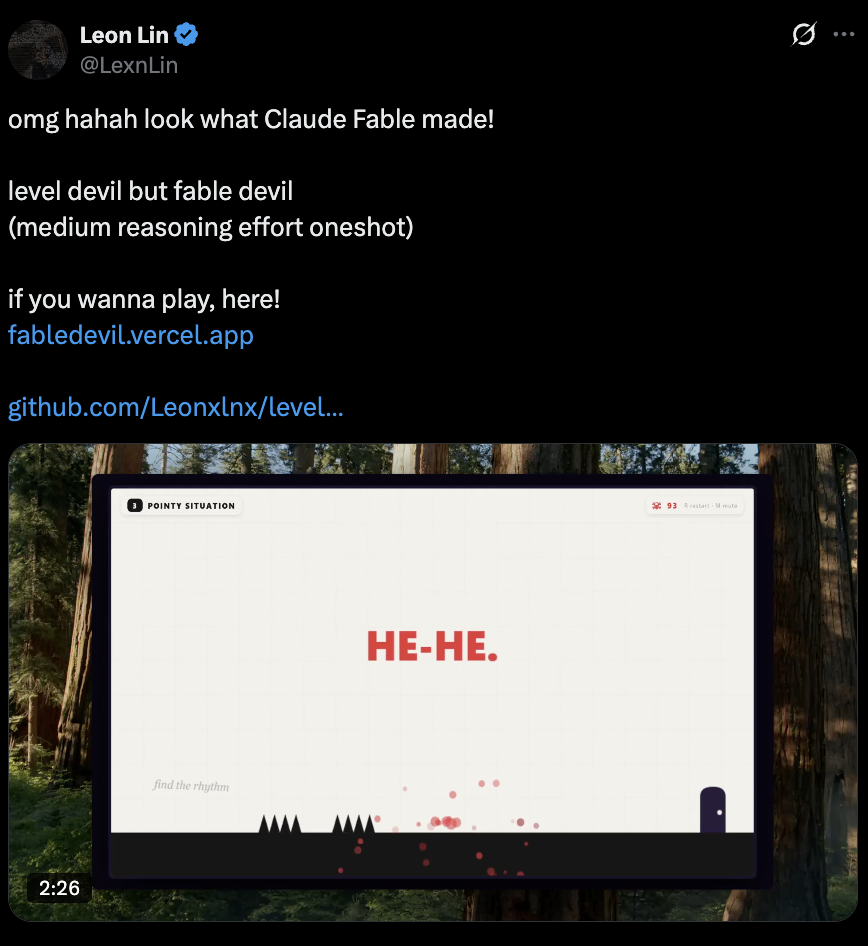
The bigger reason serious builders started paying attention is that Claude Fable 5 seems more capable of producing outputs that feel product-shaped.
That includes:
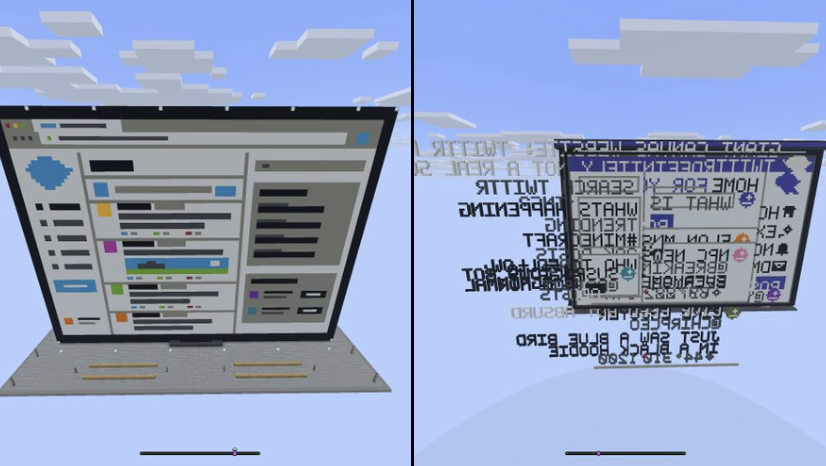
social-style interface recreation
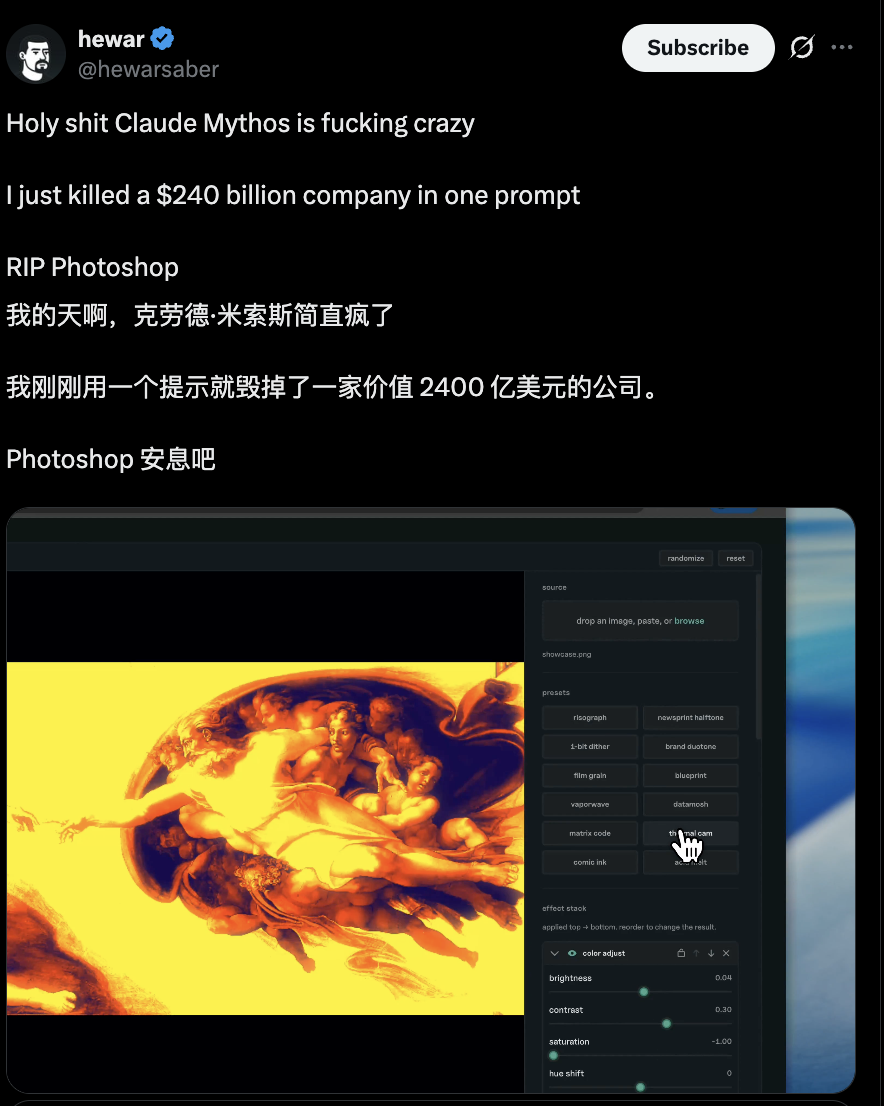
Photoshop-like surfaces
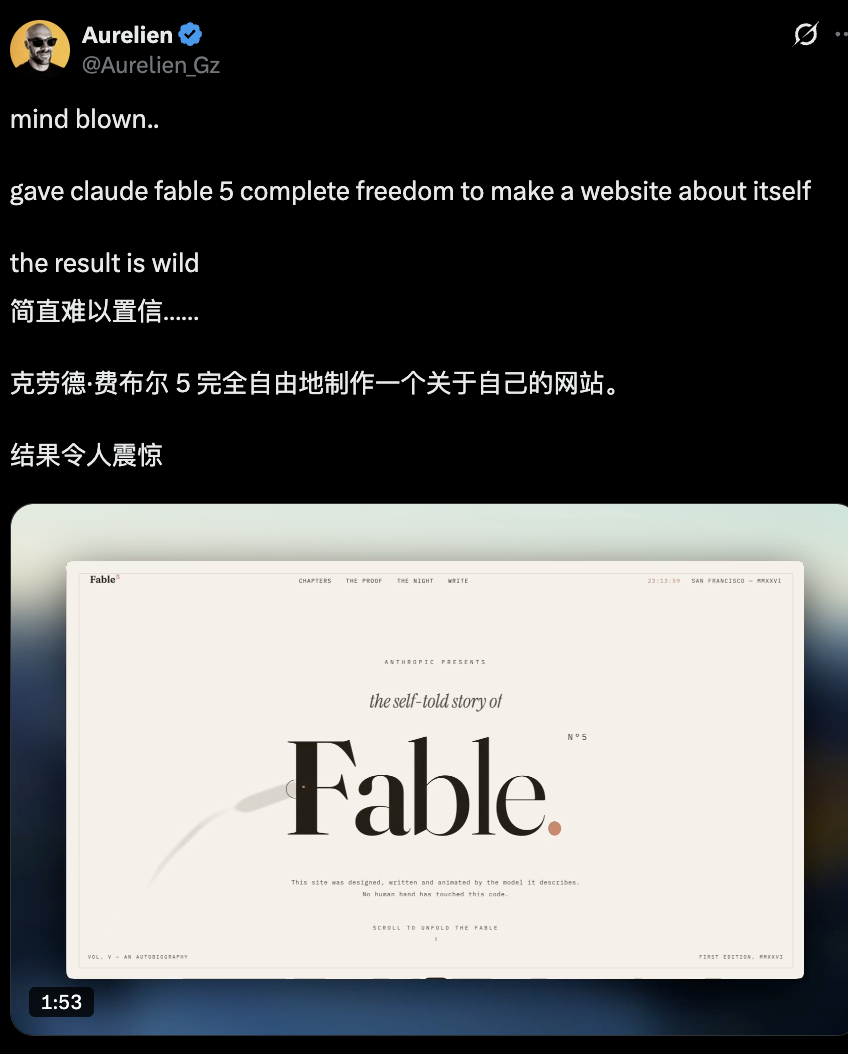
websites
lightweight 3D browser experiences
This matters because many teams do not need a perfect final product on day one. They need something they can demo, test, refine, and explain.
Strong signal three: it behaves more like a workflow engine in coding tasks
The most important thing on the engineering side is not just that it writes code. It seems more willing to take on long tasks, break them apart, call tools repeatedly, and push toward completion.
That is what makes it feel closer to an execution system.
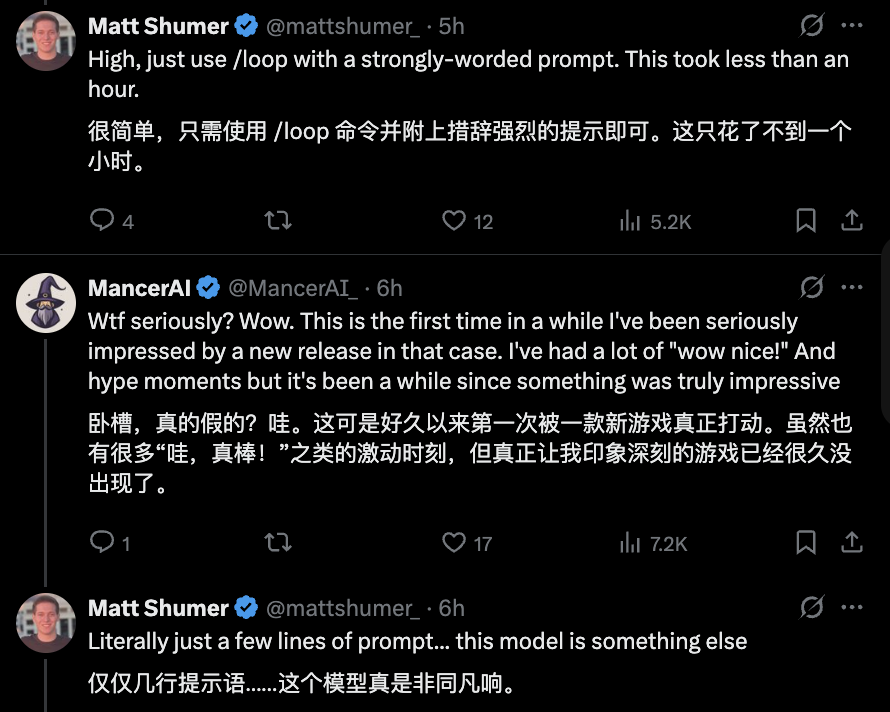
Why the biggest refactor story is both exciting and dangerous
Large refactor stories are exciting because they show the model participating in something closer to real agentic coding.
But they also reveal the danger clearly:
beautiful structure is not the same as working software.
That is why the more practical cleanup examples may matter even more for real teams.
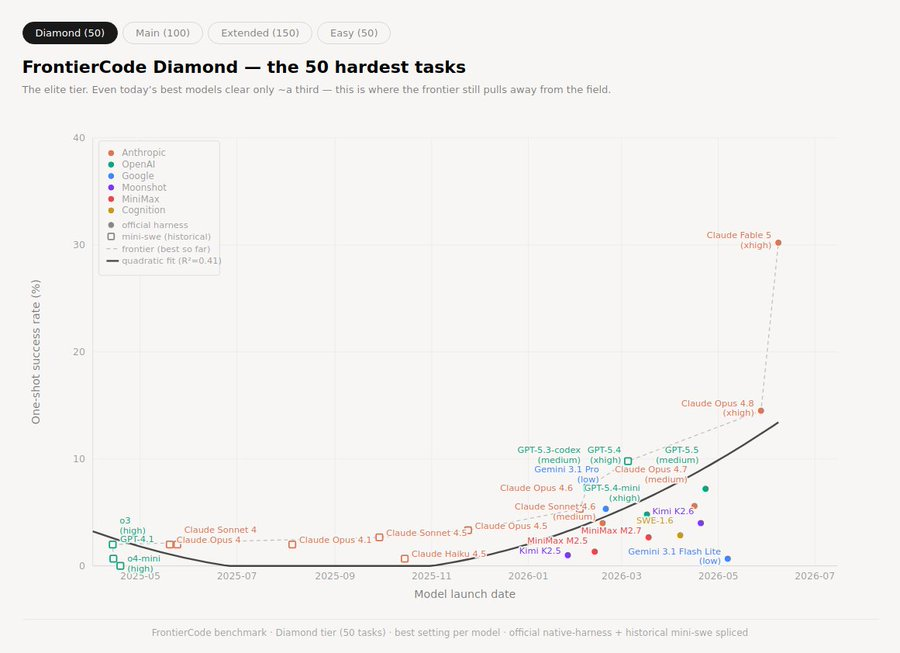
Why smaller wins may matter more than giant demos
Deleting 7,000 lines of dead code without breaking the system is the kind of task that feels closer to everyday engineering value.
That is where the model stops being impressive only in public and starts becoming useful in private.

The biggest constraint is obvious: cost
The strongest reality check in the entire first-day wave is simple:
power costs money, and sometimes a lot of it.
The more a model behaves like a high-end collaborator, the more it tends to consume:
longer context
more tool calls
more verification loops
more state management
So the question is no longer only whether it is good. The question is whether the output is valuable enough to justify the burn.

A more practical framework for teams
Dimension | What the first-day signal suggests | Better practical advice |
Conversation quality | More natural and more alive | Best used for high-value collaboration |
Frontend and interface generation | Easier to get product-feeling outputs | Strong fit for prototypes and showcase pages |
Coding and refactoring | Better at decomposition and continuation | Keep human review, testing, and rollback in place |
Website building | Moving beyond simple page code | Strong use case for showcase sites and product pages |
Cost | High power comes with high burn | Use it where leverage is clearly worth it |
Why this matters for We0 AI
For We0 AI, the biggest opportunity is not just that stronger models can generate more pages.
The bigger opportunity is that they can shorten the distance between:
an idea
a presentable page
a showcase website
a search-ready growth asset
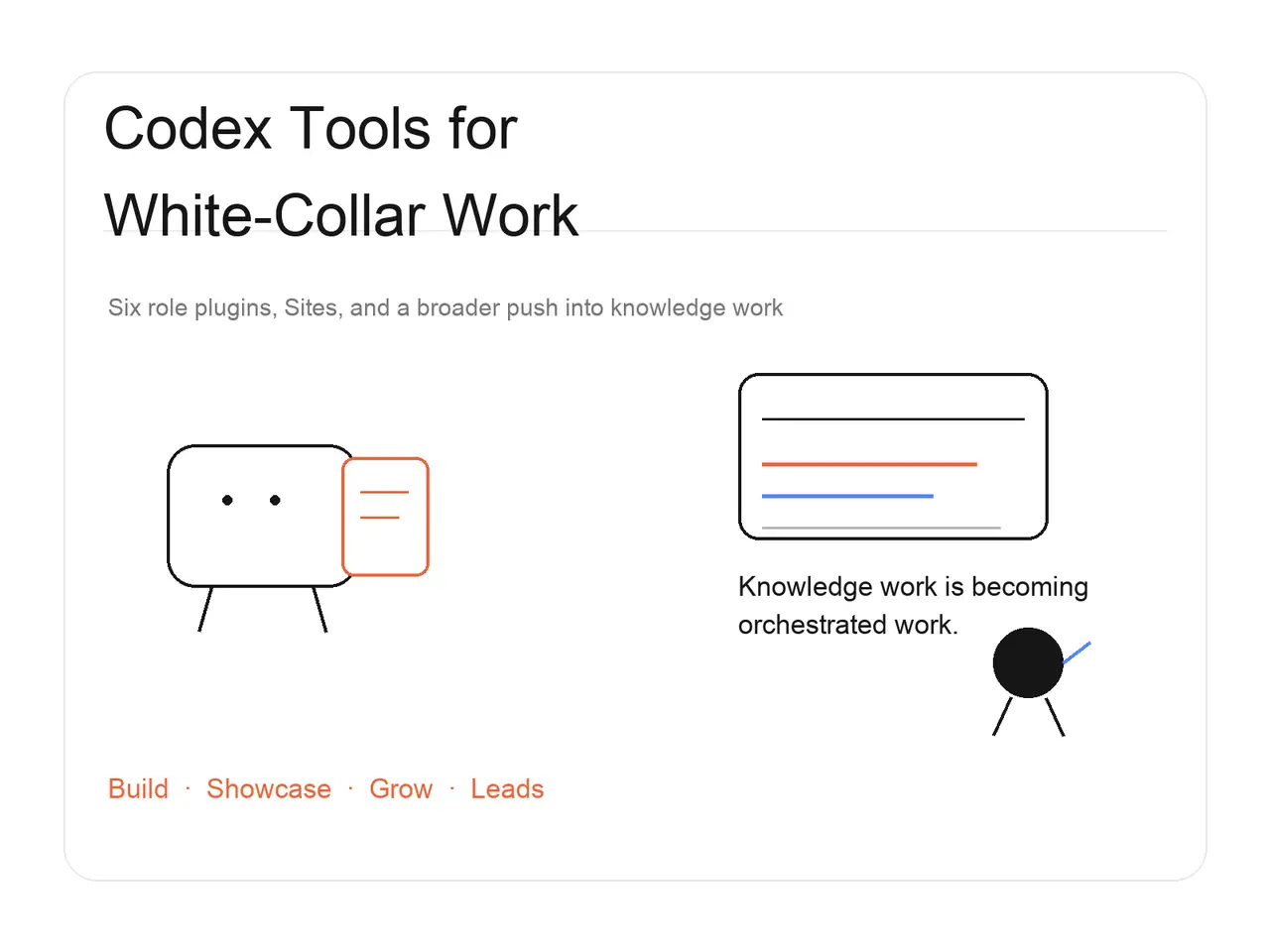
That is why the We0 chain remains:
Build -> Showcase -> Grow -> Leads
Final Take
It can write, structure, build, and demonstrate. But it also makes the cost question very real.
So the real test is not only whether Claude Fable 5 is strong. The real test is whether your workflow can turn that strength into output, and then turn that output into growth.
Ready to Build?
If stronger models are helping you build faster, the next valuable move is making sure those outputs become showcase websites, search entry points, and customer acquisition assets.
That is where We0 AI fits.
We0 AI: https://we0.ai
Positioning: AI Showcase Website Growth Platform
Path: Build -> Showcase -> Grow -> Leads
Related Articles and Tools
Sources
原始微信文章: Claude Fable 5首日实测,杀疯了…
社区参考链接 1: hewarsaber on X
社区参考链接 2: LexnLin on X
社区参考链接 3: swyx on X
社区参考链接 4: adonis_singh on X
社区参考链接 5: venturetwins on X